

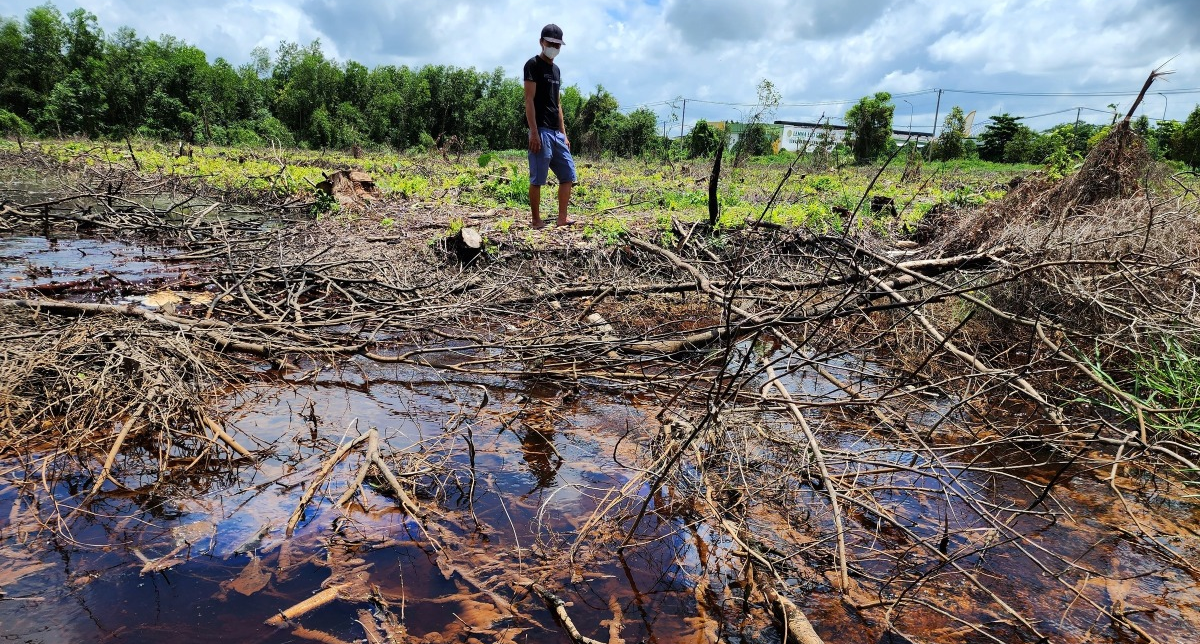
Here is what its like to live next to the biggest landfill in HCM city?
The impact of pollution caused by a 700-hectare landfill in Cu Chi District, HCMC, extends up to 10 km, affecting the lives of thousands of people residing in the vicinity. This landfill, which is the largest in HCMC, receives more than 3,000 tons of garbage daily. Currently, there are two waste treatment companies operating at the landfill, employing outdated methods such as burying or burning trash that cannot be recycled. Unfortunately, these methods contribute to the pollution of the surrounding area.
The lack of proper waste management practices at the landfill is evident. Trash piles, reaching over 20 meters in height, are created by four excavators unloading waste from trucks. Additionally, the facility was supposed to have trees planted to provide isolation from the surroundings, but due to financial constraints and procedural issues, this has not been implemented in the past 17 years.
The deteriorating condition of the landfill is evident, as barricades meant to contain the stench are damaged and ineffective. Furthermore, wastewater from the piled-up trash seeps into nearby streams, causing them to turn blackish and oily. The contamination from leachate has also affected the groundwater, rendering wells unusable and causing the water to emit a foul smell.
The adverse effects of the landfill's pollution extend beyond the environment to the livelihoods of the local community. Approximately 400 families living near the landfill are unable to engage in farming activities due to the contamination of the underground water. The impact on agriculture is evident, with crops failing to thrive, and fruit trees slowly dying.
Residents, like 75-year-old Le Thi Tron, have been directly affected by the pollution. Tron's house is surrounded by a pool of stinking wastewater, which used to be a fertile field. The pollution has persisted for over a decade, making it impossible to cultivate crops successfully. To meet their basic water needs, Tron's family relies on a 100-liter tank equipped with various layers of filtration material, such as rocks, mesh, sand, and charcoal.
The dire situation has led some families within a 500-meter radius of the landfill to abandon their homes and relocate. Others, like Nam, who lives 4 km away from the landfill, have taken measures to minimize the stench's impact by installing nets around their house. Despite these efforts, the overwhelming odor still infiltrates their living space, prompting them to shut all doors and windows or resort to using aromatic oil.
The chairwoman of the Cu Chi District People's Committee, Pham Thi Thanh Hien, acknowledges the urgent need for action. She emphasizes the importance of planting trees around the waste treatment facility to mitigate the pollution. The local authorities should take immediate steps to address this pressing issue and safeguard the well-being of the affected community.
Source: VnExpress
- Log in to post comments