

Cancer Risks in Ho Chi Minh City's Drinking Water: Understanding Seasonal DBPs
Clean water is the foundation of energy, athletic performance, and long-term wellbeing. However, recent research from Ho Chi Minh City University of Technology and Education (HCMUTE) highlights alarming contamination issues within HCMC's drinking water. To protect your active lifestyle and preserve wellness, understanding these hidden seasonal health risks is essential for every health-conscious household.
HCMC's Drinking Water: What Changes Between Wet and Dry Seasons?
What are DBPs?
Disinfection By-Products (DBPs) are chemical compounds formed when disinfectants like chlorine react with natural organic matter in water during municipal treatment. While chlorination kills dangerous pathogens, this reaction creates toxic secondary compounds (such as THMs and HAAs) associated with long-term health risks, including cancer and organ damage.
The study examined 19 regulated and emerging DBPs in HCMC’s drinking water, looking at how their levels changed across different water sources, treatment systems and seasons. More importantly, it assessed the potential cancer and non-cancer health risks associated with exposure, with children identified as a particularly vulnerable group.
Important findings in the study
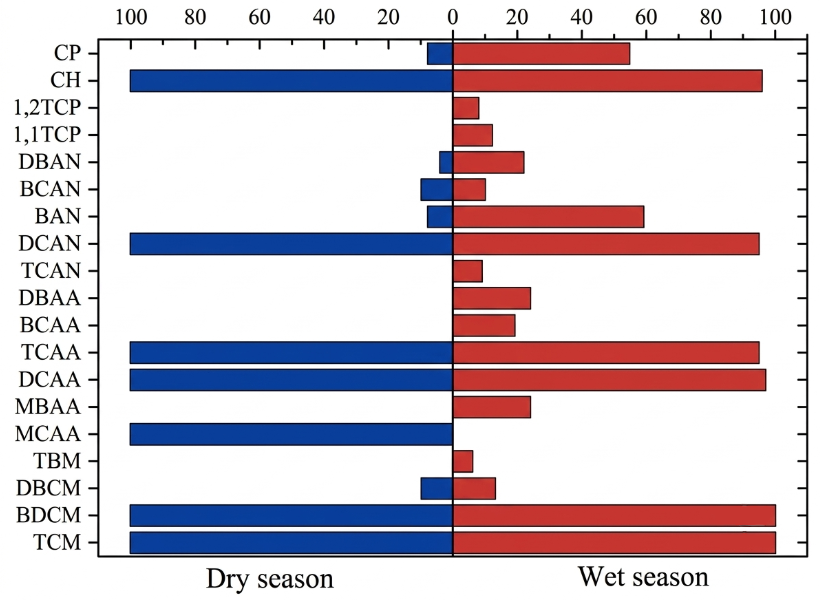
The study found an interesting seasonal pattern: the wet season had more diverse DBPs, while the dry season generally had higher DBP concentrations.
- Wet season diversity: Rain and organic runoff from May to October introduce a wide variety of DBPs, including TCAN, MBAA, and 1,2TCP.
- Dry season concentrations: Reduced river flow, algal growth, rising temperatures, and heavy chlorination cause DBP concentrations to spike dramatically from November to April.
- WHO guideline breaches: Alarmingly, 76% of dry season samples exceeded WHO drinking water standards for THM4, and 18% breached limits for HAA6.
- National standard exceedances: Unregulated pollutants regularly bypassed national water quality standards, including DCAA (3%), TCAN (6%), and DCAN (17%).
- Pipeline contamination: Aging distribution pipes, network leaks, and supplemental disinfectant dosing may be the cause of the decrease in HCMC's drinking water quality.
(Source: Dat & Anh, 2025)
Cancer and Non-Cancer Risks in HCMC Drinking Water
Contaminated water can lead to health issues
Non-cancer risks refer to harmful health complications other than tumors or malignancies, and contaminated water can cause severe non-cancer health issues:
- Organ Damage: Toxins put continuous stress on the organs responsible for filtering waste – such as the liver, kidneys, and thyroid – leading to tissue degradation or fatty liver disease over time.
- Reproductive Issues: Ingesting certain chemical contaminants during pregnancy increases the likelihood of low birth weight, birth defects, and miscarriages.
- Nervous System Disruptions: Exposure to specific chemical can trigger neurological symptoms like headaches, dizziness, or cognitive fatigue.
While cancer risks develop over decades of continuous exposure to certain chemicals, and can cause significant deadly effects on one's wellbeing:
- DNA Damage: Contaminants directly break or mutate genetic code inside human cells. When mutated cells repair incorrectly and replicate, they can form malignant tumors.
- Oxidative Stress: Toxic chemicals produce unstable molecules (free radicals) inside the body, overwhelming cellular defenses and damaging cell walls and genetic material.
What does the study say?
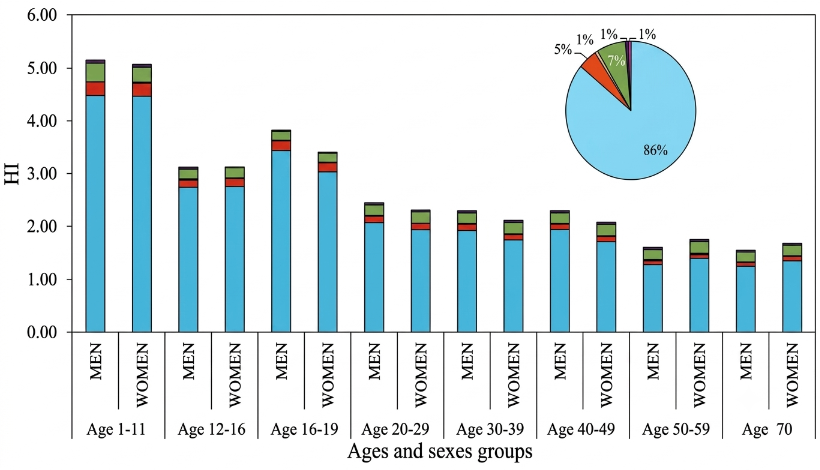
The study also assessed potential cancer and non-cancer health risks from the city's current water supply. Non-carcinogenic risk was elevated across all age groups and genders, with Hazard Index (HI) values ranging from 1.54 to 5.14. As an HI above 1 indicates potential concern, these results point to meaningful health risks associated with exposure.
Cancer risk was also elevated across age groups and genders, with Total Cancer Risk (TCR) exceeding values reported in studies from China and Colombia. Children aged 1-11 years old were identified as a particularly vulnerable population, facing heightened non-carcinogenic and carcinogenic risks.
These findings highlight the importance of considering not only water treatment at the source, but also the quality of water delivered for daily use.
(Source: Dat & Anh, 2025)
Protect Your Wellbeing with BWT Water Filter
Fueling an active, health-conscious lifestyle requires pure, premium hydration free from dangerous chemical pollutants. To combat seasonal DBP surges and pipeline contamination, investing in a robust home water filtration system is essential for modern, high-end living spaces.
As a global leader in water technology, BWT offers advanced German water treatment solutions engineered to remove harmful DBPs, organic pollutants, and heavy metals:
- Filtration to reduce unwanted particles and substances.
- Softening to help manage hardness and limescale.
- Advanced purification technologies for drinking water.
- Mineralization for high-quality drinking water with added magnesium.
With the right solution for the specific water source and application, water can become a more controlled part of a healthier everyday environment.
Because better wellbeing starts with the essentials – and clean, high-quality water is one of them.
Source: Dat, N. & Anh, T. (2025). Comprehensive analysis of regulated and emerging disinfection by-products in drinking water of Vietnam’s largest tropical city: Spatiotemporal variation, health risks, and management strategies. Journal of Environmental Chemical Engineering. https://doi.org/10.1016/j.jece.2025.118296
- Log in to post comments