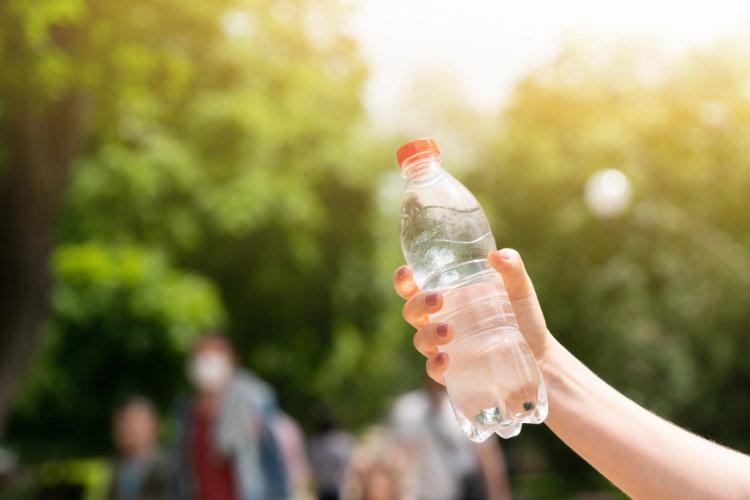
When we think of clean water at home, we usually picture the end result: clear, fresh water flowing from the tap. However, reaching that level of purity is the result of an entire treatment process—starting with the essential step of prefiltration.
Chronic stress and magnesium deficiency often go hand in hand—creating a self-reinforcing cycle that may quietly undermine both physical and mental well-being. In their comprehensive review, “Magnesium Status and Stress: The Vicious Circle Concept Revisited," researchers reaffirmed the bidirectional link between psychological stress and magnesium deficiency, highlighting important implications for long-term health.
As global awareness of environmental and personal health continues to grow, many consumers are turning to glass-bottled beverages, believing them to be a safer, more sustainable alternative to plastic. However, a recent study by France’s Food Safety Agency (ANSES) has revealed a startling reality: glass bottles may actually contain more microplastics than plastic ones.
In a world where quality of life is increasingly prioritized, clean water is no longer just a basic need; it's the foundation of a modern and healthy lifestyle. With a mission to elevate everyday water experiences, we proudly introduce the BWT E1 Single-Lever Filter - a smart, compact point-of-entry solution that combines 4 essential functions in one innovative device.
While bottled drinking water is often considered a safe and convenient alternative to tap water, recent research has raised serious concerns about its quality. A pioneering study published in Water Environment Research (2025) has revealed that bottled water from various countries contains dissolved organic matter (DOM) components that may pose a significant threat to public health.
The rainy season has arrived, bringing with it unpredictable showers, increased humidity, and frequent temperature fluctuations. This is also the time when many people start to feel tired, sluggish, and more susceptible to colds, sore throats, or respiratory infections due to a weakened immune system.
One simple yet effective way to care for your health during this season is to ensure an adequate daily intake of essential minerals.
Behind every rich and refined cup of espresso lies a harmonious interplay between premium roasted beans, high-pressure brewing equipment, skilled craftsmanship, and a quiet yet critical element often overlooked: water.
In tropical countries like Vietnam, the rainy season is a much-anticipated time of year. It brings relief from the dry heat, paints the landscape lush green, and temporarily clears the air of pollution. But beneath this refreshing surface lies a hidden challenge—rainfall can actually worsen water pollution, especially in major urban rivers like the Saigon River in Ho Chi Minh City.
As the first rains of the season arrive, many households notice an unusual odor in their tap water described as earthy, musty, or damp. This phenomenon is especially common in areas near rivers, lakes, or where water treatment systems are impacted by heavy rainfall.
The primary cause? A naturally occurring compound called geosmin.
Every year on June 8th, the world unites to celebrate World Oceans Day – a time to reflect on the vital role oceans play in sustaining life and to raise awareness of the growing threats they face. Among the most urgent of these threats is plastic pollution.