
A swimming pool isn’t just a place for relaxation, exercise, or family bonding—it’s a symbol of luxury and modern living. However, maintaining the perfect pool means prioritizing clean, safe water above all else. Understanding this, BWT (Best Water Technology) introduces groundbreaking water filtration solutions that combine advanced technology, sustainability, and user convenience.


Combined chlorine, often referred to as chloramines, is a byproduct that forms when chlorine interacts with organic materials in the water. Effectively managing combined chlorine levels is essential for providing swimmers with a safe, healthy, and enjoyable swimming experience.

Effortless Elegance for Your Pool
The foundation of relaxation begins with a perfectly maintained pool. With the BWT P600 pool robot, cleaning becomes easier than ever. Designed for pools up to 15 meters in length, this product not only delivers optimal performance but also combines smart technology with sophisticated design.

When it comes to maintaining a crystal-clear swimming pool, ensuring proper filtration, water treatment, and maintenance is essential. BWT offers a comprehensive set of solutions designed to deliver pristine, clear pool water all year round. From advanced sand filtration systems to efficient ozone treatments, pool controllers, pumps, and robots, BWT has everything you need to keep your pool sparkling clean and healthy. Let’s dive into the details of the BWT range and how each component contributes to the perfection of your pool.

What are VOCs?
Volatile Organic Compounds (VOCs) are chemicals that can easily evaporate into the air or dissolve in water. These compounds are widespread in modern life, with applications in industry, agriculture, transportation, and household products. VOCs are used in a range of everyday products, including gasoline, paints, solvents, and cleaning agents. While many VOCs are beneficial, they can also be harmful to both human health and the environment.

Vietnam faces a severe challenge in terms of clean water and sanitation, which not only affects immediate health but also poses profound long-term consequences for the future of its younger generations. Children—the most vulnerable group—are exposed to serious health risks due to contaminated water sources, especially in rural areas. According to UNICEF, a lack of clean water and inadequate sanitation are the primary drivers of malnutrition and a surge in dangerous diseases among children.

The Essence of BWT RO Technology: THERO & ROC16
Clean and safe drinking water is an essential need in modern life. With advanced Reverse Osmosis (RO) technology, BWT introduces the THERO and ROC16 product lines—designed to meet diverse water quality demands, optimize filtration efficiency, and address the limitations of traditional RO systems.

Water is a vital component for human health, with a daily requirement of approximately 1.5 to 2 liters. It is imperative that this water is not only clean but also enriched with essential minerals. Many contemporary water purification systems employ Reverse Osmosis (RO) filtration technology. However, the necessity of RO warrants critical examination. This article seeks to explore the fundamental aspects of this technology in conjunction with BWT.

Recent studies have highlighted a concerning rise in early-onset cancers, particularly among individuals in their 20s, 30s, and 40s. This troubling trend spans various cancer types, including colorectal, breast, and pancreatic cancers, prompting researchers to delve into the underlying causes. Here's what the latest findings reveal.
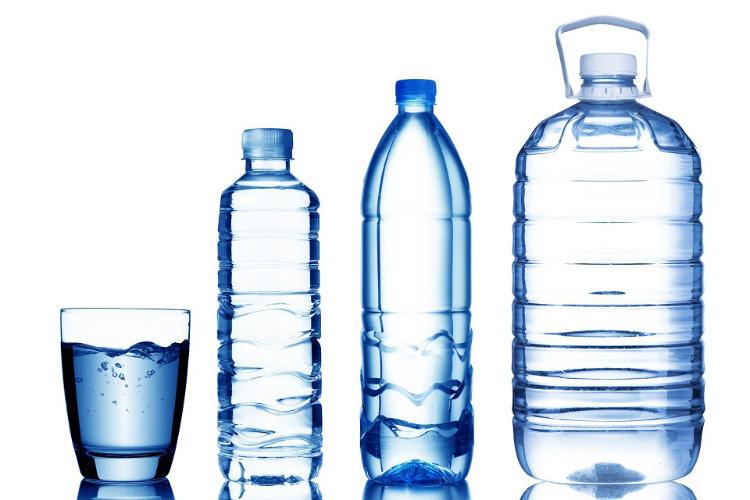
If you believe that bottled water is safer than tap water, recent research may change your mind. Contrary to popular belief, studies indicate that tap water is often the safer choice in many parts of the world.
A commentary published in BMJ Global Health by researchers from Weill Cornell Medicine in Qatar highlights that bottled water in the U.S. frequently lacks the stringent quality and safety checks that tap water undergoes. As a result, bottled water can contain harmful chemicals that leach from plastic containers.